In a move aimed at strengthening citizen participation and improving local governance, the Municipal Corporation of Gurugram (MCG) has approved the formation of ward committees across the city.
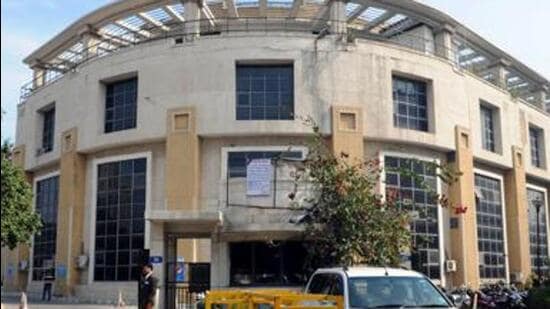
The proposal was passed unanimously during a special house meeting chaired by mayor Raj Rani Malhotra on Thursday. MCG members agreed to open bank accounts for the committees to support functioning, said officials.
MCG commissioner Pradeep Dahiya said the decision marks a significant step towards making civic administration more effective at the grassroots level. “The ward committees will be constituted in accordance with the provisions of the Haryana Municipal Citizens Participation Act, 2008, which mandates citizen involvement in local governance. The objective is to ensure that local issues are identified and addressed at the ward level,” he said.
Councillors to head committees
According to the approved structure, the elected councillor of each ward will serve as the chairperson of the respective ward committee. Representatives from diverse sections of society will also be included to ensure inclusive representation in line with the Act.
The committees will play a key role in prioritising development projects and monitoring civic services such as sanitation, street lighting, roads, water supply and sewerage. Regular meetings will be held to discuss area-specific concerns and coordinate with departments concerned to facilitate timely resolution.
Officials said the committees are expected to act as a link between residents and the municipal body, helping get a better oversight of development works, enhancing transparency and accountability.
The mayor said the initiative would help determine development priorities at the local level. “Public participation is essential for the city’s growth, and ward committees will serve as an effective platform to ensure faster resolution of local civic issues and improve service delivery at the grassroots level,” the mayor said.
Dahiya said the committees would strengthen coordination between the administration and residents. “Through these committees, identification of local problems, monitoring development works and resolution of civic issues can be handled in a more organised manner,” he said.