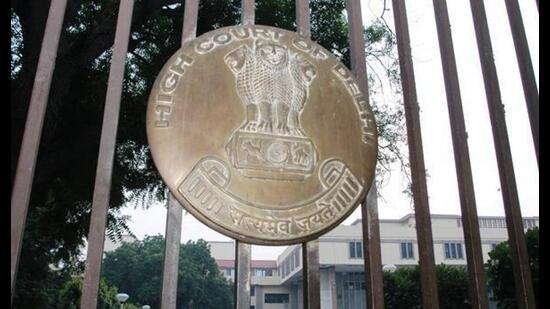
The Delhi high court has said that transferring a case from one judge to another can have a “depressing, demoralising and disconsolate impact” on the judge, and should not be done routinely.
“Such power must be exercised sparingly, cautiously and in exceptional situations,” a bench of Justice Manoj Jain said in an April 9 order, made public on Monday. The court was hearing a plea by two accused in a corruption case challenging a trial court’s refusal to transfer their case.
The accused argued that the trial court had changed its approach. Initially, arguments were to be heard in phases—starting with the issue of sanction. But after a new presiding officer took charge, the court directed that final arguments be heard together on both sanction and merits.
They said this shift created uncertainty and raised concerns about bias, prompting them to seek transfer of the case.
Rejecting the plea, the high court said such changes in how a trial court conducts hearings do not, by themselves, indicate bias or a predetermined outcome.
“Mere fact that the court now wants to hear final arguments in a comprehensive manner would not, by itself, mean anything significant or suggest any bias or predetermination of the outcome,” the court said. “Such inconsequential aspects about the manner in which the trial court desires to hear final arguments are best left to its discretion.”
The order was uploaded on the same day another bench of justice Swarana Kanta Sharma reserved its verdict on a plea by former Delhi chief minister Arvind Kejriwal and others seeking her recusal from hearing a Central Bureau of Investigation petition in the Delhi excise policy case. The applicants argued they had a reasonable apprehension of not receiving a fair hearing.