Mumbai: The Maharashtra State Road Transport Corporation (MSRTC) has, for the first time, decided to procure diesel via tendering rather than placing bulk orders directly with oil companies to tide over the crisis in crude oil supplies due to the ongoing war in West Asia, officials familiar with the matter told Hindustan Times.
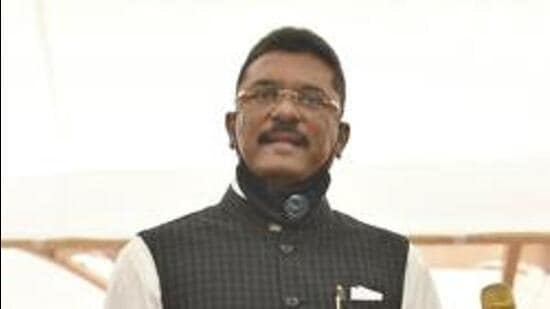
The move will not only ensure a fixed quantum of diesel for the state transport utility amid the fuel crisis but also result in annual savings worth ₹244 crore, officials said.
“The decision to procure diesel via tendering was taken in light of the ongoing war,” a senior MSRTC official told HT, requesting not to be identified. “The tendering process has already been started and the call for bids is likely to be floated next month.”
The MSRTC currently has a fleet of 15,825 buses of which 15,015 operate on diesel while the remaining 810 are electric buses. It spends around ₹3,400 crore annually on diesel, with the daily requirement at 10.87 lakh litres, transport minister Pratap Sarnaik told reporters on Friday.
Oil companies had assured the MSRTC about adequate fuel being available for the next two months, he said.
“As per the priority list for supplying diesel, state transport bus operators come third after defence and railways. There is no problem (with fuel supply) immediately, but if the war intensifies, then it can certainly disrupt bus operations,” Sarnaik said.
Sources in the transport utility said that thus far, MSRTC had been procuring diesel in bulk from oil companies at a discount of ₹2.70-3 per litre. Under the competitive tendering process, it will get a discount of ₹5.13 per litre, which will help save around ₹244 crore annually.
The MSRTC is burdened with cumulative losses worth ₹12,000 crore, while its loss in the current financial year till February was ₹750 crore. To tide over the crisis, it hopes to generate ₹500 crore additional revenue through initiatives like vehicle scrapping, use of artificial intelligence to manage driver-conductor duties and reduction in overtime expenses, officials said. Another ₹250 crore will come through advertisements at depots and bus stations over the next five years, while installation of solar rooftop projects at bus depots and stations will result in savings worth ₹10–15 crore annually.
“We also have plans to establish multimodal fuel pumps at 100 locations to generate around ₹100 crore annually. One such pump in Dhule district already generates ₹100–110 crore per year,” Sarnaik said.
The transport utility will install sensors in diesel tanks of buses to prevent leakage, as distribution losses currently account for 4–5 litres every 100 litres, Sarnaik said.